Child Protection Policies
Promoting a safe environment for tamariki and rangatahi
We review and strengthen child protection policies to ensure they are practical, compliant, and fit for purpose in real-world settings. Our team provides expert guidance and tailored recommendations so your organisation can confidently meet its responsibilities and create a safer environment for children.
What is a Child Protection Policy?
A Child Protection Policy is a formal document that sets out an organisation’s commitment to keeping children safe from harm. It outlines the principles, procedures, and responsibilities for preventing, identifying, and responding to child abuse and neglect.
A Child Protection Policy should include the following areas:
Statement of commitment
Purpose and guiding principles
Scope
Review period
Definitions
Roles and responsibilities
Procedures for identifying and responding to abuse
Working with families, whanau, and external relationships
Child protection training
Recruitment
Information sharing
Safe Working Practices
Child Matters recommends your Child Protection Policy be accompanied by Safe Working Practices, which provide procedural guidance to help staff understand what constitutes appropriate and safe behaviour within an organisation.
By using these two documents together, organisations can promote a safer environment for children and support staff in maintaining professional boundaries and responsibilities.
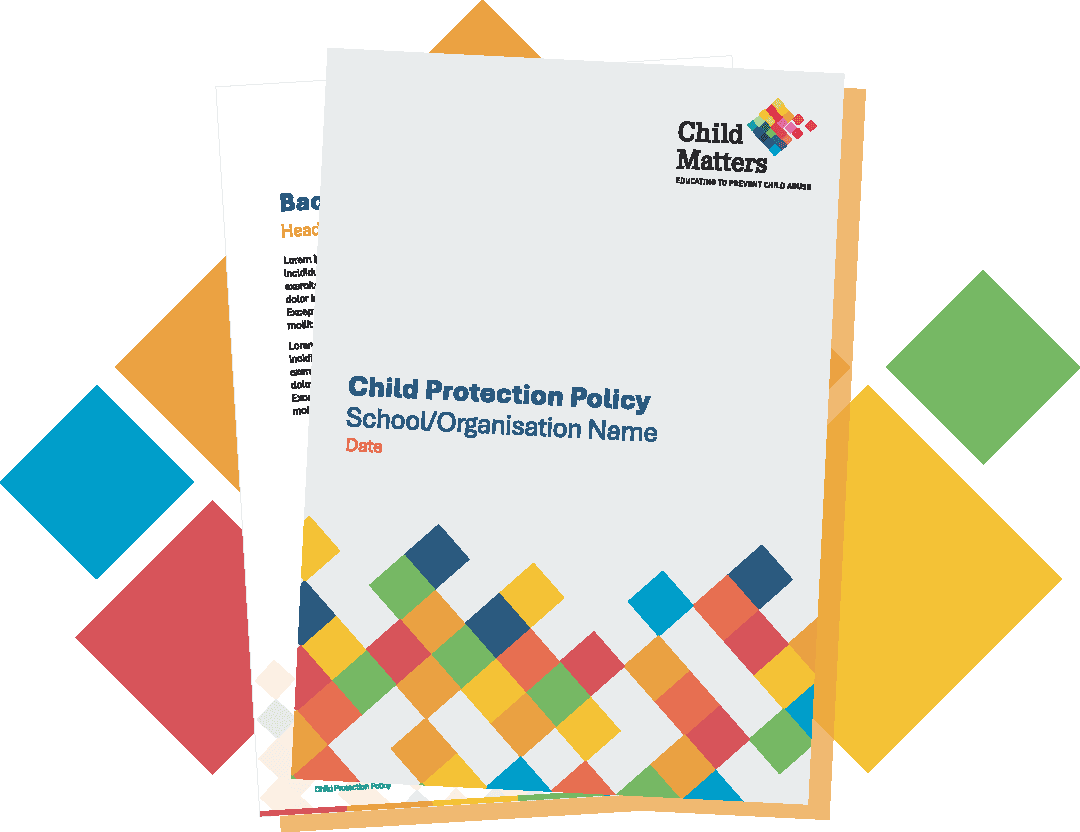
Child Matters have Child Protection Policy and Safe Working Practices templates available, which provide a basic outline of what should be included in a Policy and some common safe working practices to consider.
The Child Protection Policy and Safe Working Practices templates have been developed in alignment with best practice standards and to comply with the legislative requirements outlined in the Children’s Act 2014. Upon purchase, organisations are welcome to adapt these templates to meet their specific needs; however, it is the responsibility of each organisation to ensure that any modifications to their Policy continue to uphold best practice principles and comply with relevant legal obligations.
Why Policies are important
It is important that every organisation operates in ways which ensure that children and young people are protected from harm. Even if your organisation is not legally required to have a child protection policy under the Children’s Act 2014, it may still be established best practice within your industry or profession.
The purpose of a Child Protection Policy is to create a safe and supportive environment for children by outlining how your organisation will prevent, respond to, and report abuse, neglect, or exploitation. A Child Protection Policy ensures that the safety and well-being of children is the paramount consideration in all circumstances, placing child protection at the forefront of what you do.
The Law
The Children’s Act 2014 aims to strengthen measures for the protection of children. It is this Act that sets out the legal requirements for an organisations child protection policy, ensuring that those working with children are safe to do so.
Under the Children’s Act 2014, selected organisations must have a child protection policy which:
Is written
Guides staff to identify and report child abuse and neglect
Is reviewed a minimum of every three years
Is made available on the Internet
The organisations which are required to adopt a child protection policy under the Act include:
The Ministries of Education, Health, Justice, Social Development, Business Innovation and Employment, Māori Development (Te Puni Kōkiri)
The New Zealand Police
District Health Boards
School Boards – Including private and partnership schools (Kura Hourua)
All providers of children’s services contracted or funded by any of the above organisations.


