Child Protection Policies
Everything you need to create, review, and strengthen your organisation's Child Protection Policy
What is a Child Protection Policy?
A Child Protection Policy is a formal document that sets out an organisation’s commitment to keeping children safe from harm. It outlines the principles, procedures, and responsibilities for preventing, identifying, and responding to child abuse and neglect.
01. Create
Establish your organisation's Child Protection Policy, if it has not been done so already, using our Child Protection Policy Template.
02. Assess
Assess your existing Policy using our free self-assessment tool, to ensure you have all bases covered.
03. Update
Policies should remain relevant and be updated every 3 years, or more frequently as required.
Why a Child Protection Policy is important
It is important that every organisation operates in ways which ensure that children and young people are protected from harm. Even if your organisation is not legally required to have a Child Protection Policy under the Children’s Act 2014 (see below), it may still be established best practice within your industry or profession.
The purpose of a Child Protection Policy is to create a safe and supportive environment for children by outlining how your organisation will prevent, respond to, and report abuse, neglect, or exploitation. A Child Protection Policy ensures that the safety and wellbeing of children is the paramount consideration in all circumstances, placing child protection at the forefront of what you do.
Resources designed to guide and support you
Whether you want to review your existing Policy, or start from scratch using our template and safe working practices document, we want to help you ensure your Child Protection Policy is compliant, comprehensive and useful.
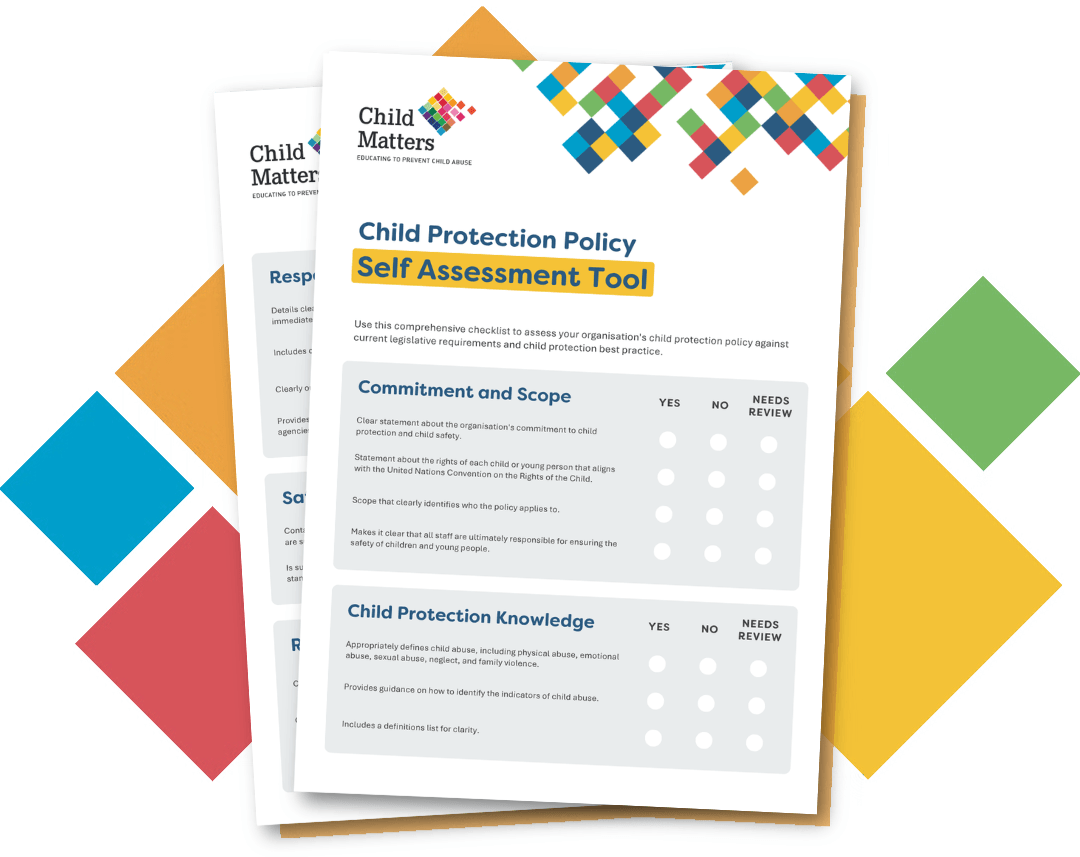
Child Protection Policy Self Assessment Tool
More information
Our Child Protection Policy Self-Assessment Tool provides a practical checklist to help organisations review their existing Policy against key child protection requirements and best practice principles.
Designed to support organisations in identifying strengths and areas for improvement, this free tool guides you through the key elements that should be considered when developing or reviewing a Child Protection Policy.
While the checklist provides a helpful framework for self-assessment, each organisation remains responsible for ensuring their Policy reflects their unique context and remains compliant.
If you're writing a Policy from scratch, or would benefit from more support, our Policy Template may be a better fit for you.
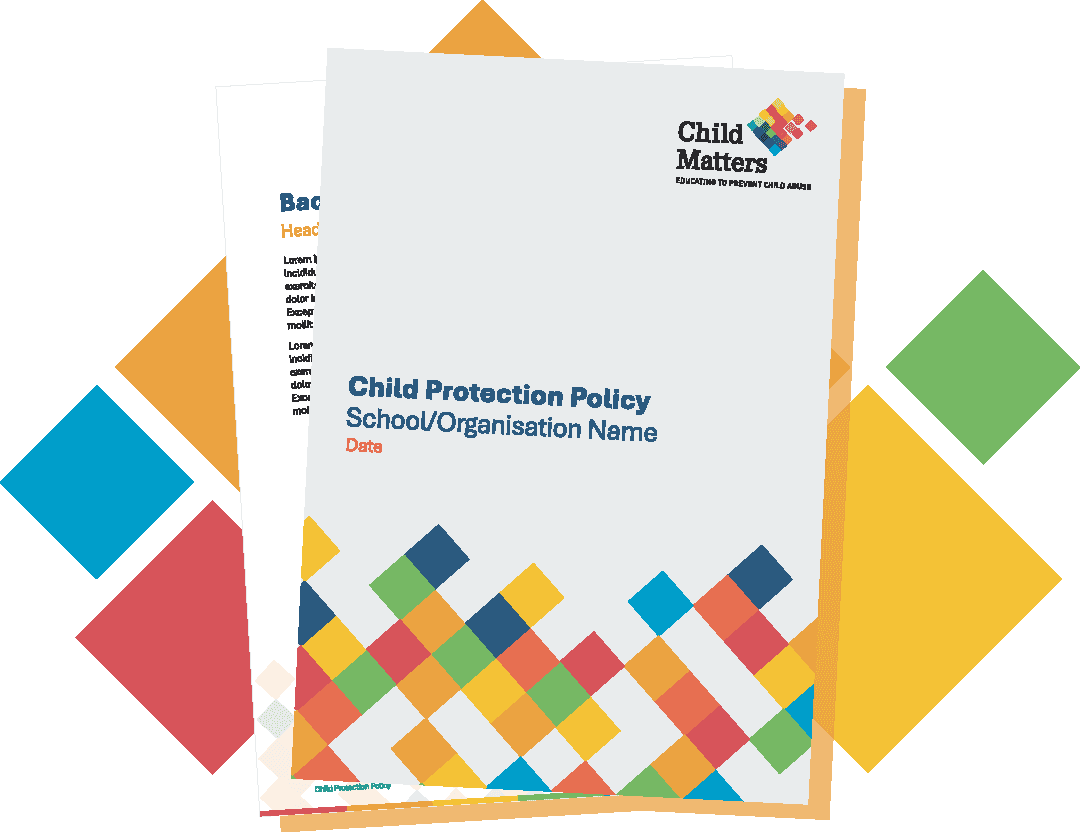
Child Protection Policy Template (includes Safe Working Practices)
More information
We've taken the complexity out of creating a Child Protection Policy. Our template provides a practical outline of the key components your Policy should include, helping you align with best practice and current legislative requirements.
Organisations are encouraged to adapt the template to reflect their own context, policies, and procedures. However, each organisation remains responsible for ensuring any changes continue to meet relevant legal obligations and uphold best practice principles.
We recommend every Child Protection Policy is supported by a Safe Working Practices document. While your Policy outlines your organisation’s commitment, responsibilities, and processes for child protection, Safe Working Practices provide staff with practical guidance on appropriate professional behaviour and maintaining safe boundaries with children.
Understanding the Law
The Children’s Act 2014 aims to strengthen measures for the protection of children. It is this Act that sets out the legal requirements for an organisations Child Protection Policy, ensuring that those working with children are safe to do so.
Under the Children’s Act 2014, selected organisations must have a Child Protection Policy which: is written, guides staff to identify and report child abuse and neglect, is reviewed a minimum of every three years, and is made publicly available.
The organisations which are required to adopt a Child Protection Policy under the Act include: The Ministries of Education, Health, Justice, Social Development, Business Innovation and Employment, Māori Development (Te Puni Kōkiri), The New Zealand Police, District Health Boards, School Boards – Including private and partnership schools (Kura Hourua), and all other providers of children’s services contracted or funded by any of the above organisations.
Frequently Asked Questions
Is it a legal requirement to have a Child Protection Policy?
In New Zealand, organisations that provide government-funded services to children are legally required to have Child Protection Policies in place. This includes but is not limited to schools, early childhood education centres, and healthcare providers. Even where not legally required, having a clear Policy is considered best practice.
What should a Child Protection Policy include?
Policies should include everything within the scope of the workplace and wellbeing of the child/ren. From recruitment practices and staff training to clear procedures for identifying, responding to and reporting abuse. Our Child Protection Policy template is a helpful tool for establishing your Child Protection Policy.
How often should Policies be reviewed?
Under the Children’s Act 2014, selected organisations must review their Child Protection Policy every three years at a minimum. However, it is best practice to review Policies more regularly to ensure they remain practical, effective, and aligned with current legislation.
What is a child protection audit?
A child protection audit is a review of an organisation’s policies, procedures, and practices when it comes to child safety. We complete a customised assessment containing clear and practical recommendations that help your organisation meet best practice standards.


